
Denver Most Wanted Reality
Here is the plain truth. Neither the Denver Police Department nor the Denver Sheriff Department keeps a standing most-wanted page. That gap shapes everything else. There is no official count of listed people, no set update schedule, and no promise of a photo with every notice. A sex-offender registry, a cold-case page, a private mugshot directory, or a stray social media post is not a Denver County most wanted list. The label does not make it one. Agencies still put out selected alerts. DPD and DSD use their news and social channels. Crime Stoppers circulates notices tied to specific cases. Each one is episodic, so its date and origin tell you what it covers. A notice can also change or be pulled back later. The official Denver Sheriff news and alerts hub is the type of agency channel that carries these public notices.
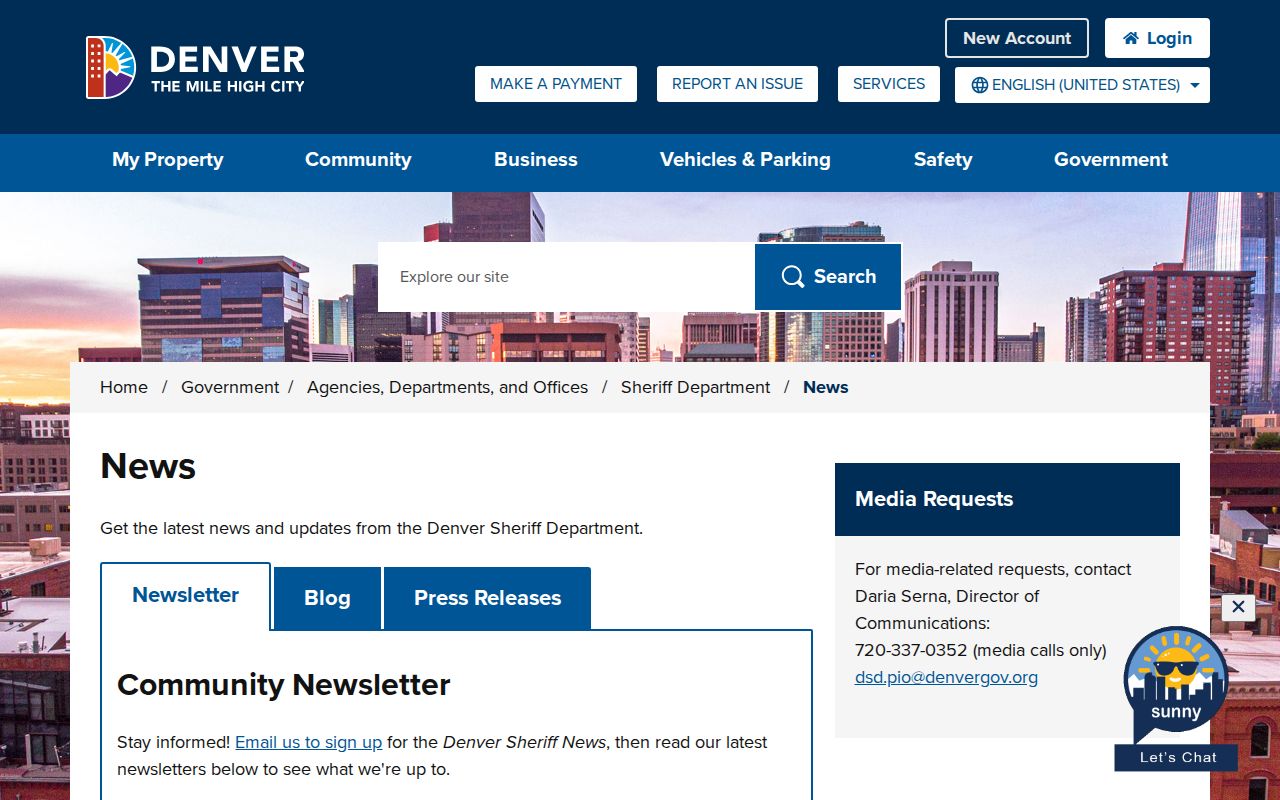
The captured page is an announcements source, not a complete Denver wanted-fugitive list or warrant database.
Note: A missing post or photograph does not prove that no warrant exists, that a warrant ended, or that a person is in custody.
Denver Wanted Source Fields
Denver does not publish a standing wanted list, so there is no standard form to copy. What the official sources offer is narrower. Case alerts appear and disappear on their own schedule. The court portal does something different. It lets you look into warrant status and take steps to deal with it. Keep those two functions apart, because they answer different questions.
| Field | What the Denver source supports |
|---|---|
| Person and case | Only the identity and case details stated in the dated agency or Crime Stoppers alert should be repeated. |
| Photograph | An episodic alert may include an image. No list-wide photo policy or permanent public photo archive was found. |
| Charge | The source may describe the suspected conduct or warrant basis. It remains an charge. |
| Warrant status | The Denver County Court portal is the official public self-service route. A social alert is not the status database. |
| Custody | A warrant or alert does not establish a current jail location. Current Denver custody requires a separate locator check. |
| Outcome | The correct County or District Court record supplies later hearings, orders, and disposition. |
A wanted notice, a warrant, or a booking photo documents an event in the legal process, nothing more.
Use Denver Wanted Sources
Start by naming your task. Browsing alerts is one thing. Checking a particular person's warrant is another. Confusing the two invites trouble, since a selective photo notice is easy to mistake for a full court record. Figure out which answer you need first, then go to the source built for it.
- Start with a dated, original DPD, DSD, or Crime Stoppers notice when trying to identify the source of a public wanted alert.
- Read the charge and identifiers exactly as published. Do not infer a current warrant, location, or later case result from the image.
- Use Denver County Court's official portal for a case-specific warrant-status inquiry. Confirm the correct person and case.
- Check the proper court record for later settings and disposition. Denver County Court and Denver District Court use separate systems.
- If the person appears in an active public alert, send information to police or Metro Denver Crime Stoppers. Never approach or attempt an arrest.
Say an alert ends in an arrest. Then what? The Denver County booking and custody hub explains the custody locator and the records-request routes. Those routes run separately from the alert system. A booking entry can appear once a person is processed. It shows where someone is held. It does not measure the strength of the case.
Check Denver County Warrants
Warrants live with the court. The Denver County Court Bonding and Warrants division issues, cancels, and maintains the court's state criminal, municipal, traffic, and civil warrants, plus protection orders. The bond process runs through this office too. Think of the page as the front door to the procedure. You will not find a gallery of faces there.
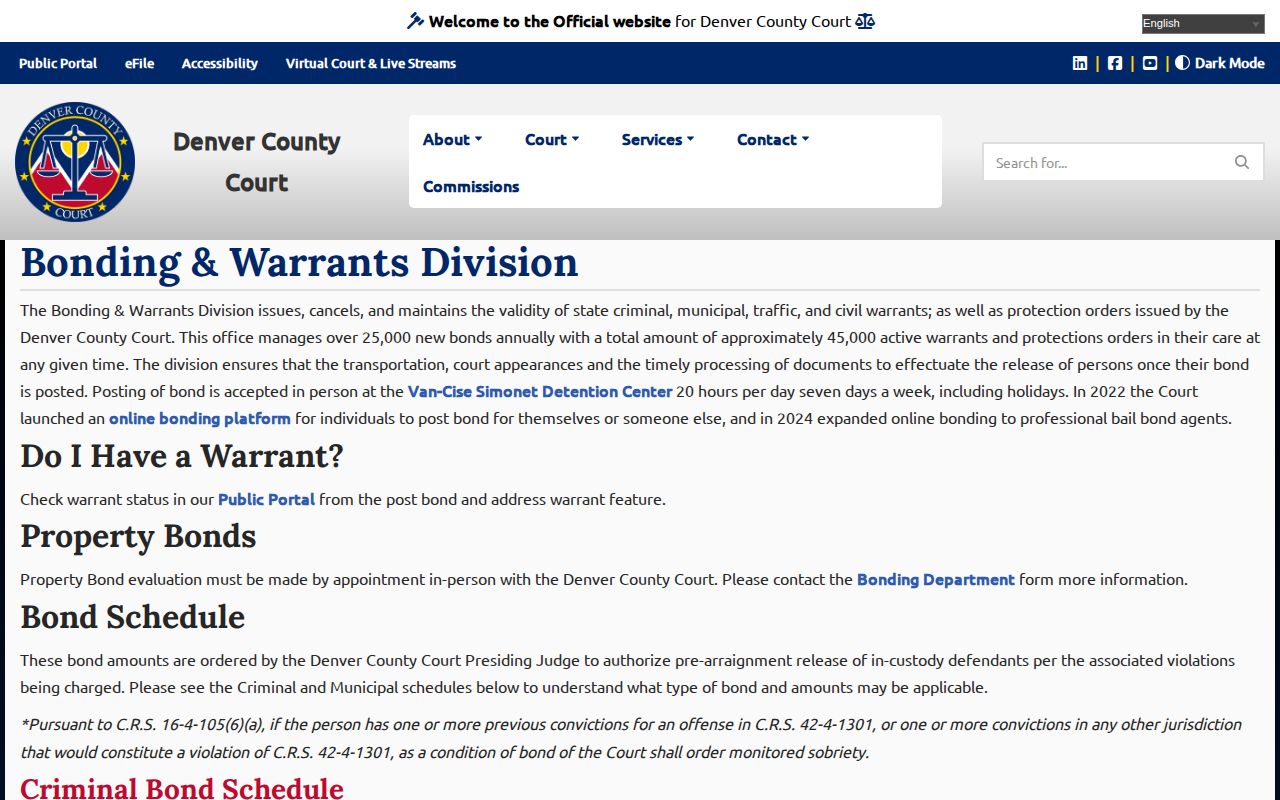
The court's own materials describe this function and push visitors toward resolving a warrant rather than scrolling through photos. For hands-on action, the public Denver County Court portal offers a self-service option to post bond or address a warrant directly online.
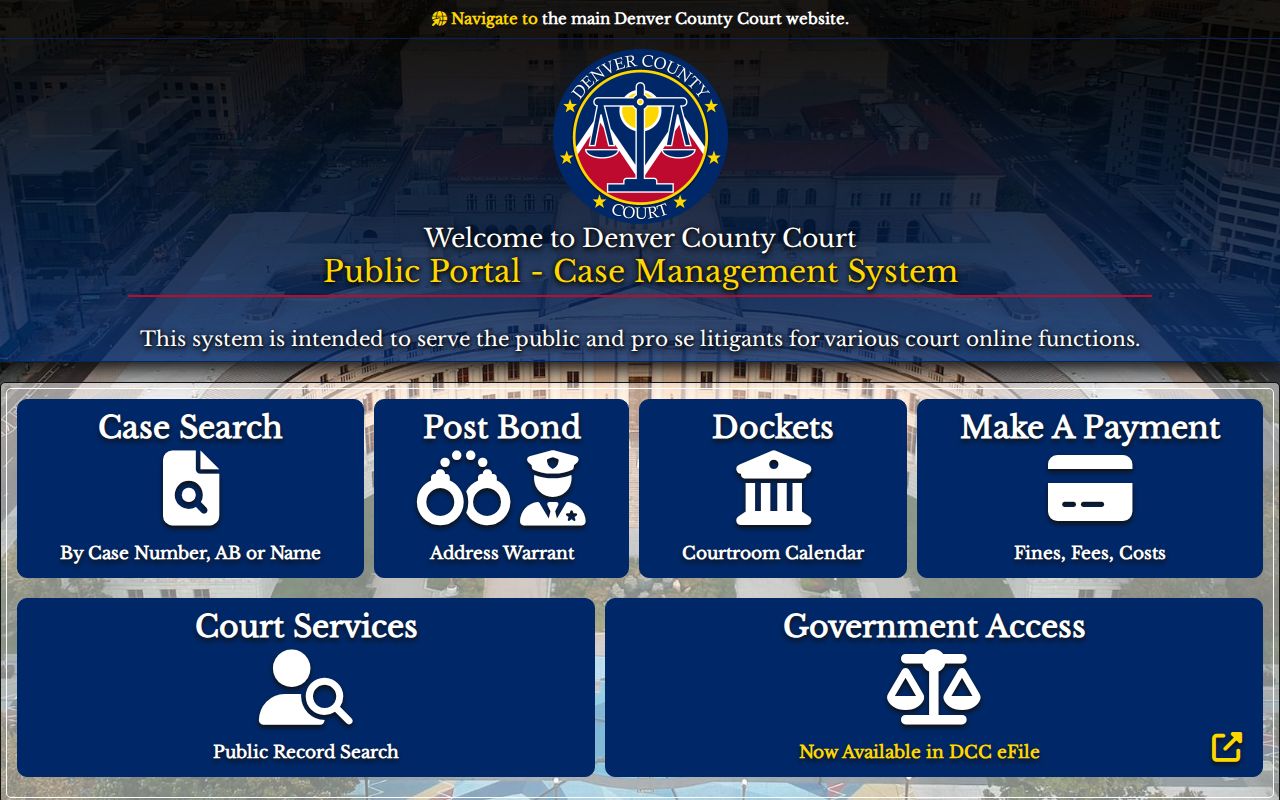
This is the official warrant route. It comes with no promises. No photo, no full list, no booking confirmation. Just the court channel that actually controls the paperwork.
- Open the public court portal and select its warrant and bond function.
- Use accurate identity and case information. Similar names require care, and a missing result should not be treated as a legal conclusion.
- Review the court-provided status and instructions. Do not rely on an old social post or private directory to interpret the result.
- For a warrant believed to concern you, contact Denver County Court or a lawyer about the lawful next step. Follow court directions for bond or appearance.
- After the matter proceeds, check the right court file for the outcome. A roster entry, if one occurs, shows custody rather than disposition.
Denver Warrant Types and Orders
The Bonding and Warrants division sorts its caseload into categories. Those labels tell you what kind of court matter is being tracked. That is all they tell you. A category name says nothing about the charge, risk level, or bond amount. It will not reveal a person's whereabouts either. So resist the urge to fill in those blanks from a label.
| Category | Supported Denver context |
|---|---|
| State criminal warrant | A warrant tied to a criminal matter handled through the court's state-law jurisdiction. |
| Municipal warrant | A warrant tied to a Denver municipal matter maintained by the County Court division. |
| Traffic warrant | A warrant arising in a traffic matter within the court's stated work. |
| Civil warrant | A warrant associated with a civil matter maintained by the division. |
| Protection order | A court order maintained by the same division. It is listed separately and should not be called a criminal conviction. |
- Warrant
- A judicial command that remains outstanding until the court or authorized officials address it.
- Bond
- A court-set condition or financial amount connected with release and required appearances.
- Disposition
- The recorded result of the case, found in the proper court file rather than in a wanted alert.
Note: The court portal and the clerk hold the case-specific meaning, and no category table can tell you the terms tied to any single warrant.
Denver Warrant Database Scale
Here is what makes Denver unusual. The county has an official court warrant tool but no steady police or sheriff photo campaign. The Bonding and Warrants division reports roughly 45,000 active warrants and protection orders on hand at any moment, along with more than 25,000 new bonds processed each year. Those numbers measure a working court docket. They are not the size of a most wanted list. That gap is exactly why lists and databases must stay separate in your head. An alert spotlights one person tied to one investigation. The court system, meanwhile, juggles tens of thousands of legal commands, most with no public notice or photograph attached. An old alert image cannot tell you whether a warrant is still live. Only the court can answer that. Silence online means nothing. Records often demand exact identifying details, and different Denver courts may each hold one piece of a case. A query that comes back empty should push you toward the court or a lawyer, not toward assuming the warrant vanished.
Verify Denver Warrant Results
Denver runs two court systems. That matters for warrant checks. County Court takes misdemeanors, traffic cases, municipal matters, and felony complaints that may later move up. The District Court, part of Colorado's Second Judicial District, handles felony criminal cases. So a single statewide search can leave gaps. It might miss what one court has on file. Denver County Court keeps its own case and warrant tools. Those are the right place to start for its matters. For state-court matters, the Colorado Judicial dockets can locate an appearance. Remember, though, a docket is just a calendar entry. It lists a name, case number, hearing type, courtroom, and time. It will not tell you how anything ended.
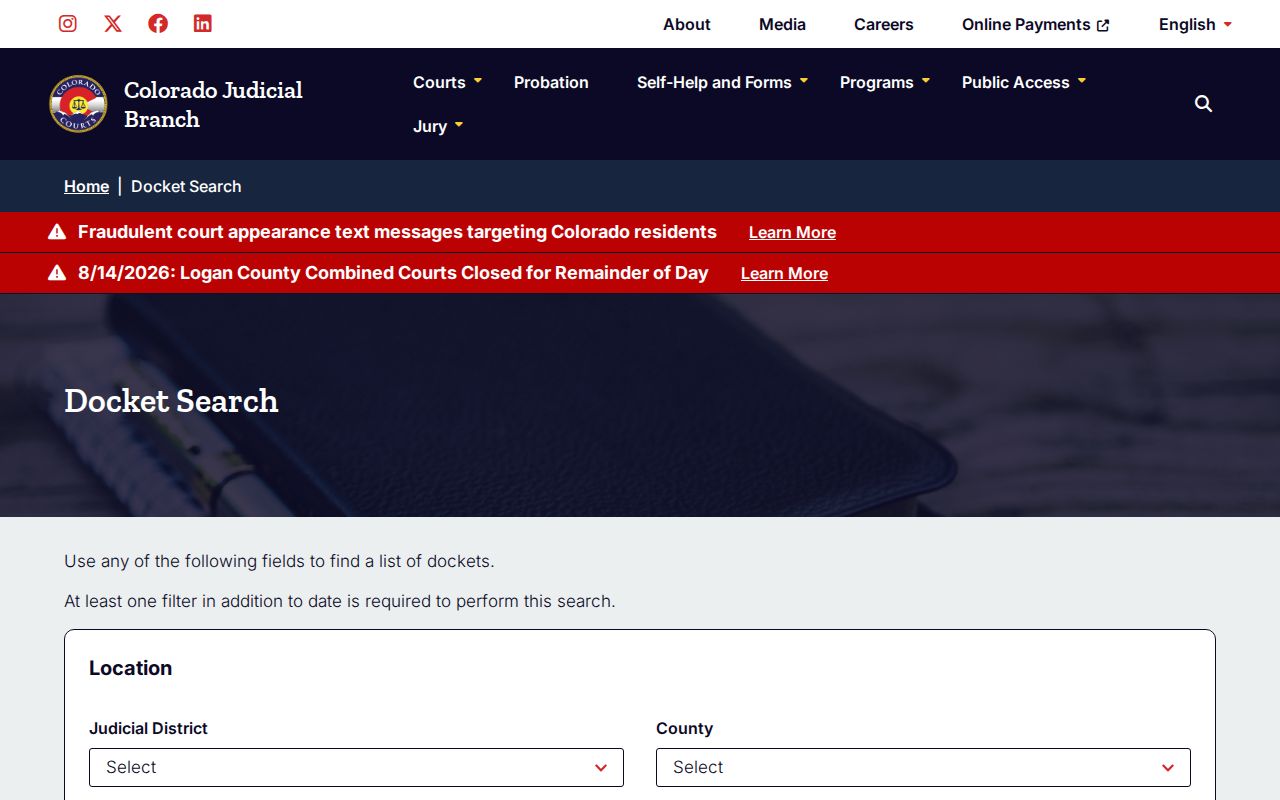
A statewide docket capture is a follow-up source, not a replacement for Denver County Court's own system or a certified disposition. If a warrant might carry your name, confirm it through the court itself. Talk to the court or an attorney. The safe path runs through the proper forum. No social-media post, private wanted page, or mugshot index can cancel a warrant, set binding terms, or settle how a case ends.
Report Denver Wanted Tips
Tips about someone in an active Denver alert belong with law enforcement, full stop. Metro Denver Crime Stoppers takes anonymous tips. Share facts that could help investigators. Do not confront the person or try to confirm an identity up close.
Metro Denver Crime Stoppers
Anonymous tip line
720-913-STOP (7867)
Provide the dated alert or case context and the facts observed.
Denver Sheriff Department
P.O. Box 20707
Tampa, FL 33622
General: 720-913-3642
Inmate information: 720-913-3600
dsdinfo@denvergov.org
Safety first: Never approach, confront, follow, restrain, or try to arrest anyone in a Denver wanted alert. If danger is immediate, call 911. Otherwise, use the police or Crime Stoppers tip channel.
Do not post a location publicly. Do not tip off the person being sought. Pass what you know to trained officials and let them assess it. Their job is to act on it; yours ends at the report.
Denver Wanted Alerts and Custody
DSD maintains Facebook, Instagram, news releases, and a newsletter. DPD and Crime Stoppers may publish selected wanted-person or suspect notices. No official source establishes these channels as a complete or regularly scheduled Denver warrant-photo feed. Each alert needs its own date, original link, and allegation language.
Colorado VINE serves a different need. It allows anonymous custody-status checks and phone, email, or text notifications through VINELink and its app. It does not publish Denver booking photographs, charges, or a wanted list. Use it only after custody is the question, and verify a critical change directly with DSD. Denver has no identified sheriff-branded jail-roster or mugshot app.
Custody can change after an arrest. A person may be in intake, held at the downtown detention center, moved to Denver County Jail, released, or transferred to another system. A wanted alert does not prove any of those states. Private booking or mugshot pages are also secondary and can be stale, incomplete, or tied to an old accusation. The court and responsible agency remain the sources that control.
Note: Release from jail does not mean that a case was dismissed, and a case docket must be followed to an official order or disposition.